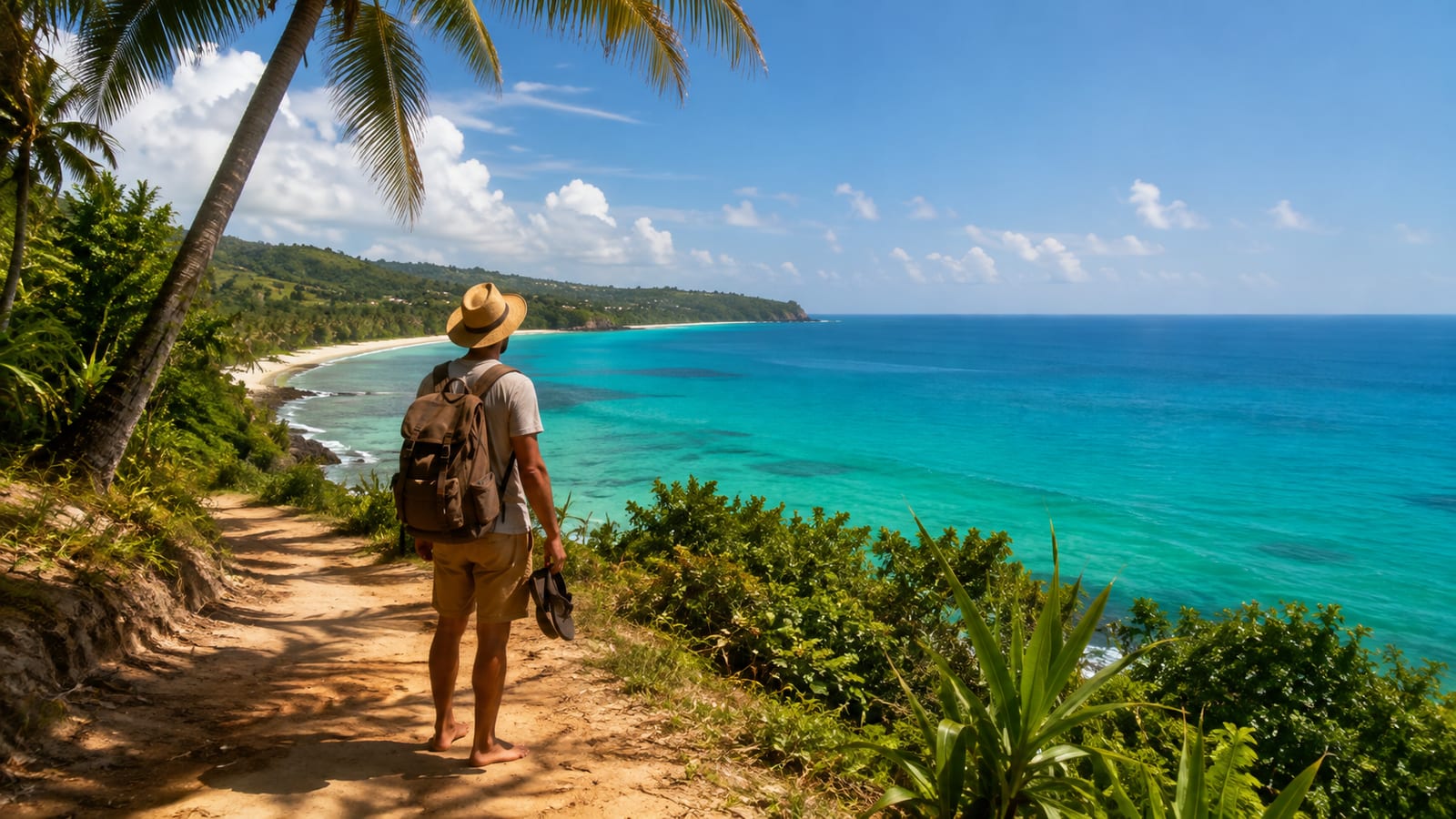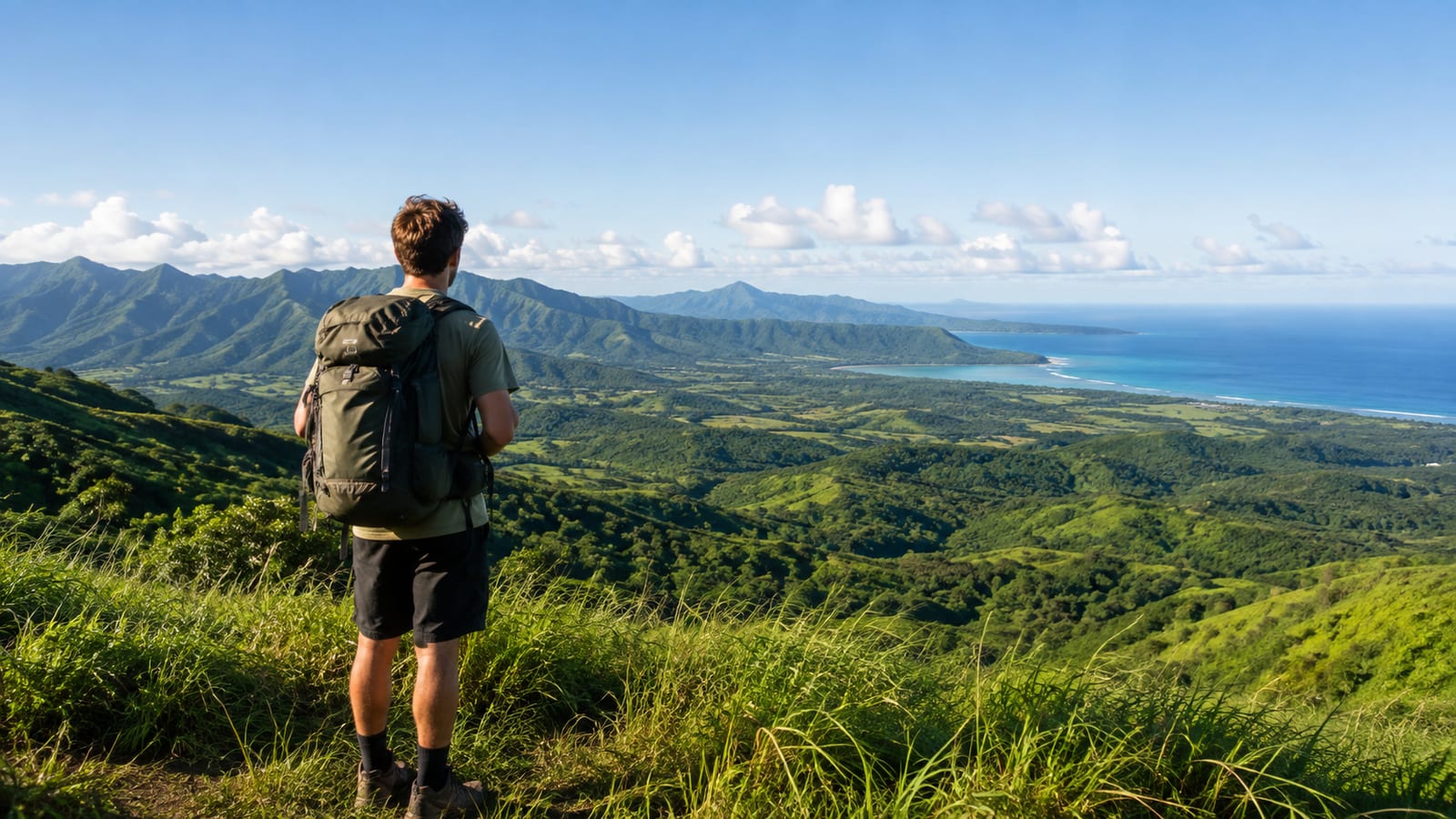
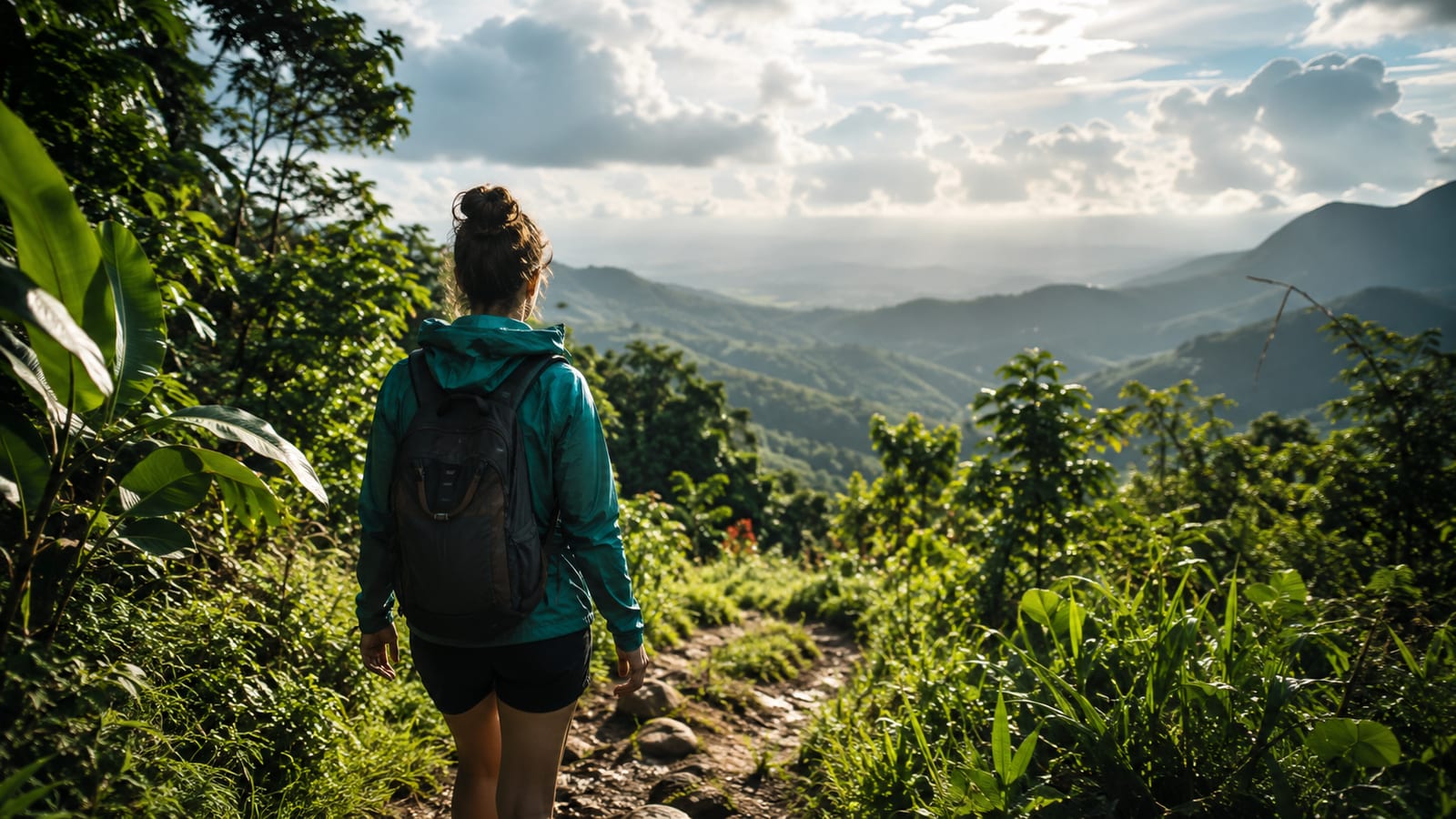
The best time to visit Costa Rica is a shoulder-season pocket, not the peak. Aim for late November to early December, or late April to mid-May. You get dry-season weather without the Christmas-to-Easter crowds and prices. If you can only pick one month, make it December or April. February gives you the surest sun, but you pay for it in both money and company.
Costa Rica's seasons are more than rainy versus dry
The country sells itself in two seasons: dry, roughly December through April, and rainy, from mid-May through November. Locals call the wet stretch the green season, or invierno, which literally means winter even though it is warm.
That two-season label is a starting point, not the whole story. The transitions on either end matter more than the labels suggest. Late April is technically still dry, and late November sits at the tail end of the wet season, and those edges are exactly where the smart bookings hide.
Elevation and coast change everything too. The cloud forest around La Fortuna stays misty even in the driest month, because that mist is the point of a cloud forest. So "dry season" describes the Pacific lowlands well and the rest of the country loosely.
Where the weather is most reliable
The Pacific side is your safest bet for guaranteed sun, and it runs driest of all in Guanacaste, the northwest region. February is the single most bulletproof month for blue-sky days. March and April stay dry too, just hotter and dustier as the season wears on.
The central Pacific beaches around Jaco and Manuel Antonio follow the same rhythm, dry from December through April, green and wet through the rest of the year.
Two places refuse to cooperate with the simple calendar. La Fortuna and the highland cloud forests hold afternoon cloud and drizzle year round. The Caribbean coast keeps its own schedule entirely, which I get to below.
What flights and hotels really cost by season
Prices track three tiers, and the gaps are wide. Peak runs from mid-December through April, with Christmas, New Year's, and Easter week priced in a category of their own. Shoulder covers late November to early December and late April into May. The green season, mid-May through November, is the cheapest by a long way.
| Window | Weather | Crowds and price | Verdict |
|---|---|---|---|
| Early to mid December | Dry season has arrived | Low, before the surge | The best pocket of the year |
| Christmas to New Year's | Excellent | Peak of peak | Skip unless you book far ahead |
| February to March | Driest, sunniest | High, expensive | Safest sun if you can't be flexible |
| Late April to mid May | Last of the dry, turning green | Steep post-peak discounts | The other prime window |
| June to August | Green, wet afternoons | Cheap, quiet | Worth it with a flexible plan |
| September to October | Wettest on the Pacific | Rock bottom | Skip on the Pacific side |
The pattern is simple. Weather and price move together, so the best value sits in the narrow weeks where the weather has already turned good but the crowd hasn't shown up.
The quiet weeks worth targeting
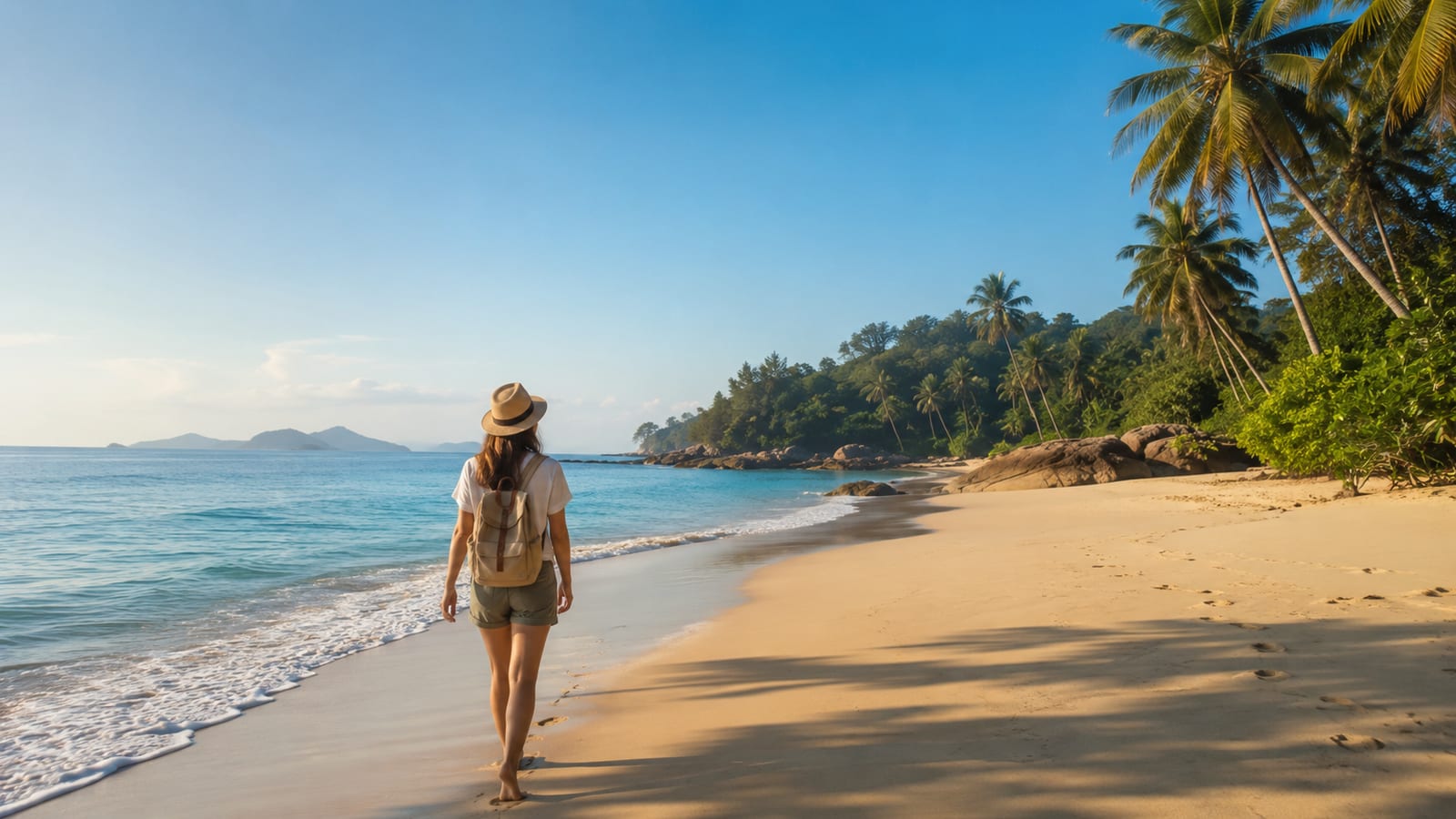
Early to mid December is the standout. The rains have usually stopped, the light is clean, and the holiday surge hasn't landed yet. You get dry-season weather at shoulder-season prices, which almost never happens at the same time.
Late April to mid-May is the mirror image. It is the last gasp of the dry season, the hills are just going green again, and hotels cut prices hard once Easter clears out. Early June is quietly good too, before the wettest months arrive.
Travel midweek if you can. Costa Rican weekends fill the beaches with domestic visitors, so a Tuesday in Manuel Antonio feels very different from a Saturday.
Is the green season actually worth it?
Yes, for most of it, and most people write it off too fast. From June through August the typical day is bright most of the morning, then a heavy afternoon downpour that clears by evening. You plan around it the way you would plan around heat.
The trade is real. Waterfalls run full, the forest is loud with wildlife, and you pay a fraction of peak rates. If you are the type who books a long lunch when it rains anyway, this season rewards you.
The exception is the tail end. September and October bring the heaviest, most relentless rain on the Pacific, and that is a different animal from a tidy afternoon shower.
When is the best time to visit Costa Rica for your activity?
The best time shifts with what you came to do, not just the forecast.
- Surfing. Pacific swells are biggest and most consistent from June through October. Jaco and the central coast get their best days exactly when the beach crowds thin out.
- Wildlife. Good year round. The green season actually helps, since animals are active and the forest is full.
- Turtle nesting. Nesting seasons run mainly through the rainy months and vary by species and beach. Check the specific park with the national parks system before you build a trip around it.
- Diving. Pacific water clears up in the dry season, so December through April gives the best visibility.
If sun on a beach is all you want, the priorities flip and you just chase the dry Pacific months.
How the coast you pick changes the calendar
The Caribbean side around Puerto Viejo de Limon ignores the Pacific calendar entirely. It can rain there at any time of year, October included, so a dry-season plane ticket does not guarantee Caribbean sun. Treat it as its own destination with its own weather.
San Jose and the Central Valley sit in the middle, mild and springlike most of the year, wetter in the afternoons during the green season. It is a transit hub more than a stay, but the climate is easy.
Guanacaste is the dry extreme. If you want the surest sun in the country, that northwest corner is where to point yourself. La Fortuna, by contrast, stays green and humid because the forest depends on it.
The windows to avoid
September and October are the ones to rule out for most of the Pacific. The rain is daily and heavy, roads flood, and some lodges close. Go only if you are chasing surf swells or the lowest prices of the year and you can shrug off getting soaked.
Christmas through New Year's is the other trap, for the opposite reason. The weather is superb, which is why everyone wants it. Rooms fill and prices spike, so it is a book-far-ahead-or-forget-it stretch rather than a bad-weather one.
Easter week, Semana Santa, runs the same way: great conditions, packed beaches, top prices.
How far ahead to book
Match your lead time to the season, since the calendar decides how much competition you face.
For Christmas, New Year's, or Easter week, book well ahead. The good lodges sell out first and never discount, so a late decision means leftovers at top prices. High dry season in February and March is a little easier, but the better hotels still go early.
For the shoulder pockets in early December or late April, you can move closer to the trip and still land good rooms. Green-season travel from June through October often rewards booking close in, when hotels are quietly cutting rates to fill space. Lock the flight first either way, then the lodging.
If you like planning around shoulder seasons, the same logic works elsewhere; see how it plays out in Ireland's sweet spot for travel and in the June versus winter split in Iceland. For official climate and regional notes, the Costa Rica Tourism Board is the primary source.
FAQ
Does Costa Rica get hit by hurricanes?
Direct hits are rare because of where the country sits, but storms passing nearby can dump heavy rain, especially on the Caribbean side and during the wettest fall weeks. It is a reason to watch the forecast, not a reason to cancel.
How many days do I need?
Give it a week at minimum, and more if you want both a coast and the cloud forest. Roads are slow and winding, so build in transit time rather than stacking a new region every day.
What should I pack for the shoulder season?
Light layers, a real rain shell, and shoes that dry fast. Even in late April a surprise afternoon shower is normal, and the cloud forest stays cool and damp whatever the lowlands are doing.
Is February really worth the higher price?
If your dates are locked and you cannot risk a washout, yes, February buys you the most reliable sun of the year. If you have any flexibility, early December or late April gets you almost the same weather for far less.
Where should I go if I want warm, dry beaches away from the crowds?
Aim for Guanacaste in early December or late April. You get the driest coast in the country during the exact weeks the peak-season crowd hasn't arrived or has already left. If you're weighing other warm-weather options for that time of year, the roundup of places to visit in February in the US is a useful comparison.
Related: How to Travel Safely in El Salvador: A Practical Guide
Related: Thailand Travel Seasons: When to Go for Sun and Value