Traverse City works best when you pair one big outdoor day with a slow food-and-wine evening. The best things to do in Traverse City include Sleeping Bear Dunes, the TART Trail, Old Mission Peninsula, Clinch Park Beach, and the Grand Traverse Commons. Pick one major outing each day. Trying to race across both peninsulas and the dunes leaves you with a windshield tour of northern Michigan.
What should you do first in Traverse City?
Start with Sleeping Bear Dunes if the weather is clear. It’s the outing you’ll regret skipping, and it takes more energy than the winery maps suggest. Build the rest of that day around one hike, one beach stop, and dinner back in Traverse City.
After that, choose by interest:
- Sleeping Bear Dunes National Lakeshore for the essential scenery.
- Old Mission Peninsula for wineries, water views, and shorter drives.
- TART Trail for an easy bike ride without much planning.
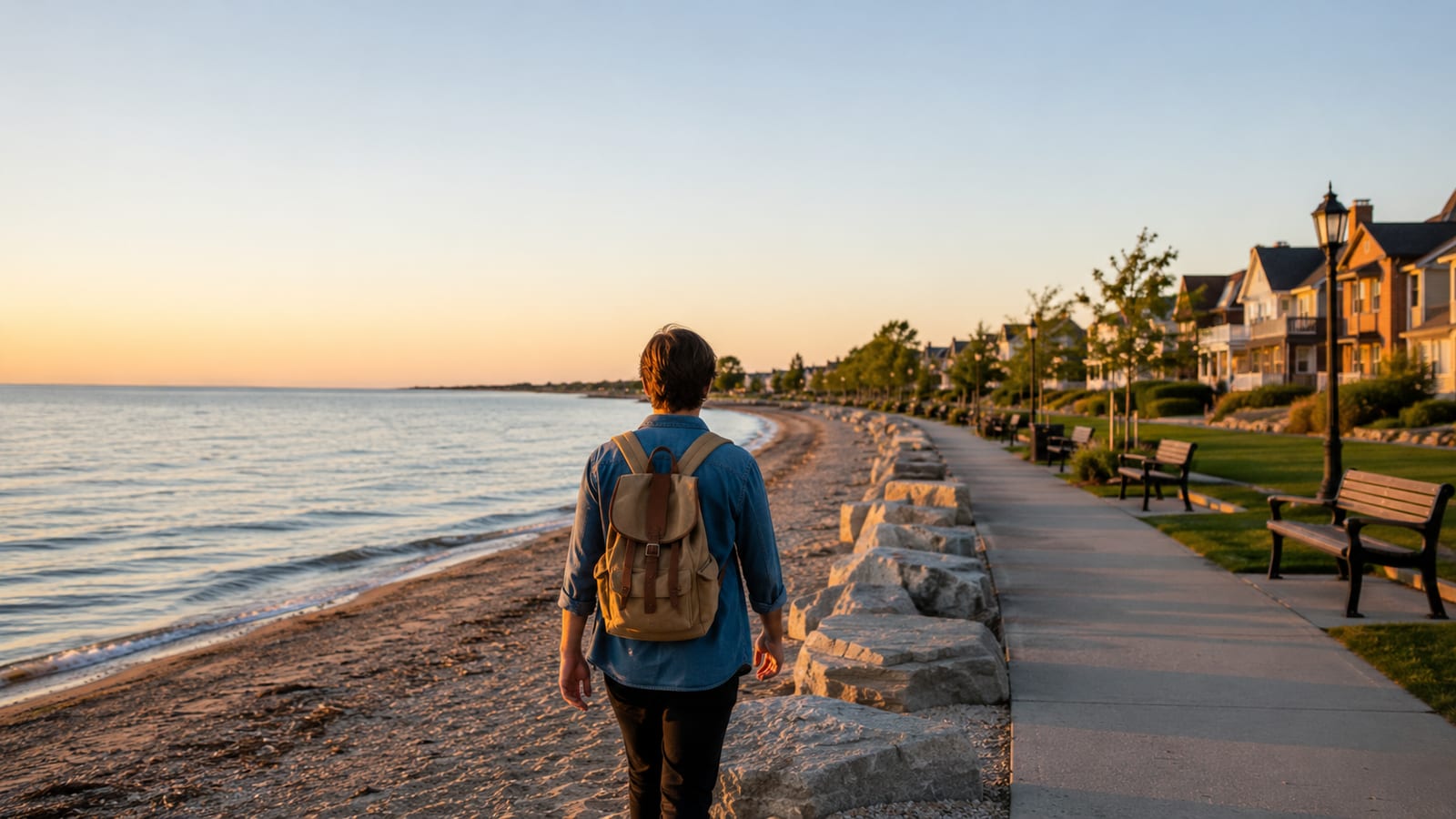
- Downtown and Clinch Park Beach for a low-key day on foot.
- The Village at Grand Traverse Commons when it rains or you want food and shops without another long drive.
- Leelanau Peninsula for a full day of small towns and Lake Michigan shoreline.
One large outing is enough for a day. Add a swim, a meal, or a wander down Front Street afterward, but don’t bolt another peninsula onto the plan.
| If you want… | Start with… | Add later |
|---|---|---|
| The classic first visit | Sleeping Bear Dunes | Dinner downtown |
| Wine with less driving | Old Mission Peninsula | Clinch Park sunset |
| A car-light day | TART Trail | Grand Traverse Commons |
| Beaches with children | Traverse City State Park | Ice cream or a short downtown walk |
| Small towns and lake views | Leelanau Peninsula | An early dinner there |
| A rainy-day plan | Grand Traverse Commons | Shops and restaurants downtown |
How do you visit Sleeping Bear Dunes without exhausting yourself?
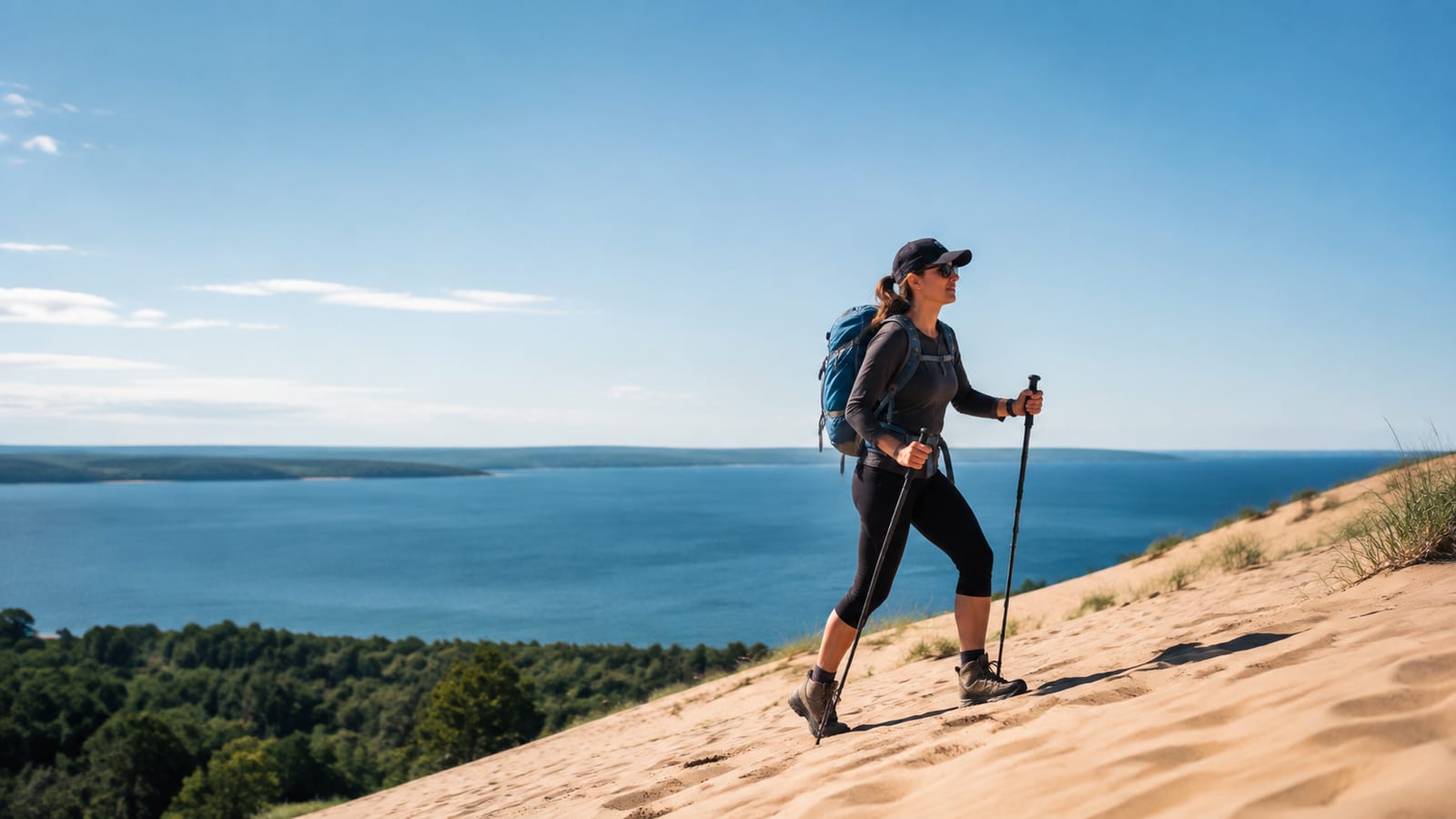
Treat Sleeping Bear Dunes National Lakeshore as one complete day. The private vehicle entrance pass costs $25.00 and lasts 1-7 days, so there’s no prize for squeezing every stop into one afternoon.
Start with Pierce Stocking Scenic Drive. The route runs approximately 7.4 miles, but the overlooks and short walks make it a proper outing. Stop where the lake view interests you rather than pulling into every turnout because the map told you to.
Then choose one hike. Empire Bluff Trail is a 1.5-mile hike and gives you a strong view without turning the day into a sand endurance test. The Dune Climb is more playful, but the lake looks much closer than it is. Walking all the way across the dunes means loose sand, exposed sun, and a harder return than most people expect.
Bring water, sun protection, and shoes you don’t mind filling with sand. On hot days, hike earlier and save the beach for later. Sand drains your legs faster than a normal trail, especially when the sun is high.
Finish beside Lake Michigan rather than adding another long trail. Swim only if conditions are calm, and keep children close when waves build. The useful plan is scenic drive, one hike, beach. Everything beyond that is optional.
Which beaches and water activities are worth your time?
Clinch Park Beach is the practical choice. It sits by downtown Traverse City, so you can swim, rent a paddleboard or kayak, then walk to dinner without moving the car again. Go for convenience and a sunset break, not solitude.
Traverse City State Park makes more sense for families who want a beach to anchor the day. The shallow-water appeal helps with younger children, and you avoid the longer drive to Lake Michigan. However, it feels busier and more developed than a beach near Sleeping Bear Dunes.
For a quieter stop, use the beach as part of a peninsula day. Old Mission works well because you can break up winery visits with time beside the water. On Leelanau, the shoreline feels more dramatic, but you’ll spend more of the day driving between stops.
Kayaking and paddleboarding are best when the bay is calm. Wind can turn an easy paddle into work, so check conditions before paying for a rental. If the water looks choppy from shore, take the hint and walk the TART Trail instead.
A boat trip is worth it if being on the water is the point of your day. It’s poor filler between lunch and a tasting reservation. Boating needs time, decent weather, and someone who isn’t watching the clock.
Should you spend your wine day on Old Mission or Leelanau Peninsula?
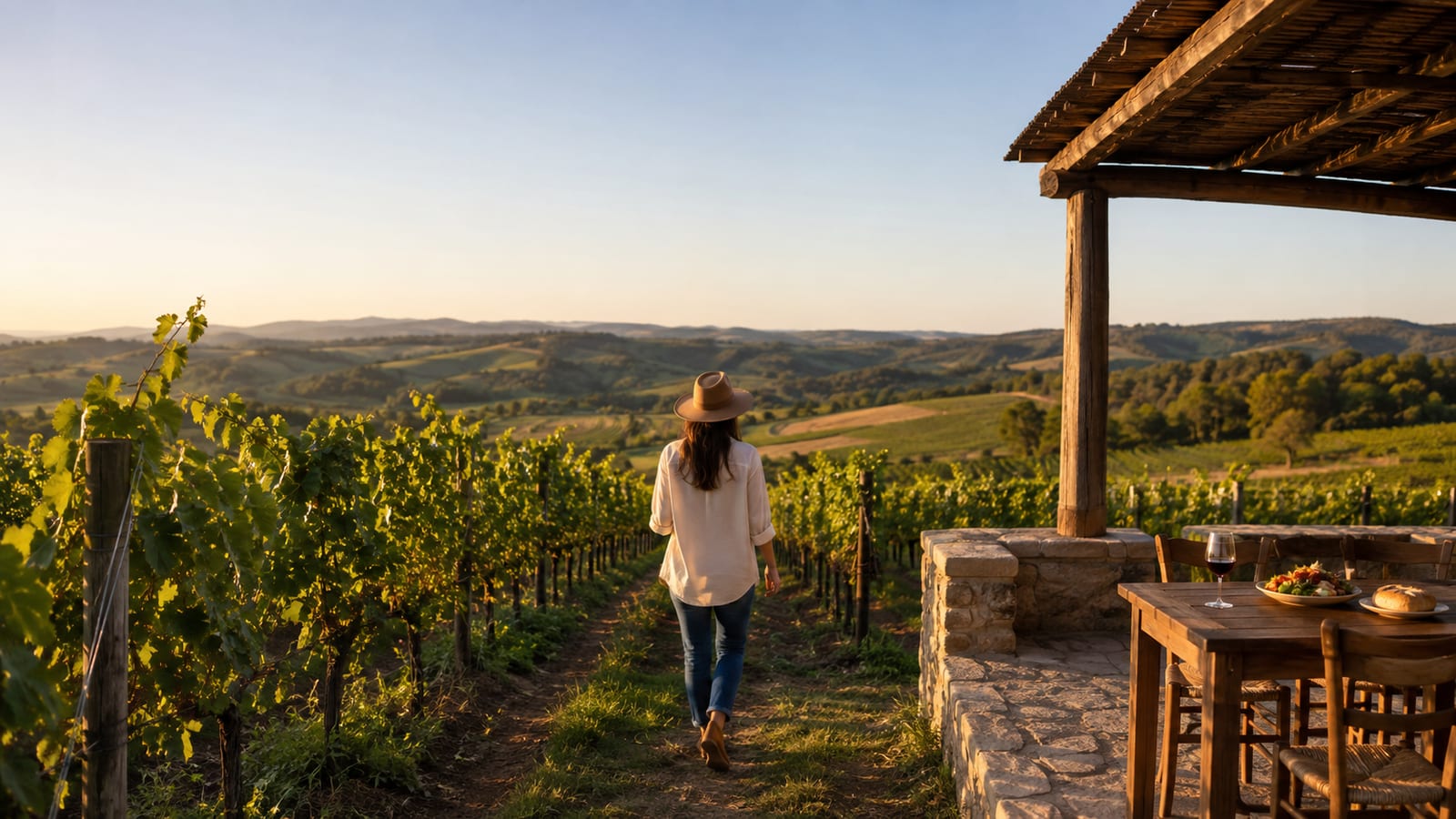
Choose Old Mission Peninsula on a first trip. The drives are shorter, the route is easier to follow, and you can still fit in a beach or lighthouse stop. Leelanau is better when scenery and small towns matter as much as the wine.
The Old Mission Peninsula Wine Trail represents ten wineries. Brys Estate Vineyard Winery, Chateau Chantal, and Bonobo Winery are familiar anchors, but booking all three back-to-back turns a relaxed day into an appointment sheet.
Pick a couple of tasting rooms and leave space between them. The Brys Estate Secret Garden gives you a non-wine stop, while Mission Point Lighthouse adds a clear endpoint to the drive. The lighthouse was built in 1870, and the grounds make a better pause than another tasting squeezed in before closing.
Leelanau Peninsula needs the whole day. Pair wineries with Suttons Bay, Leland, or Northport, then eat before heading back. Shady Lane Cellars and Sutton’s Bay Ciders offer alternatives to another formal wine tasting, while Hop Lot works when someone in the group is done discussing tasting notes.
Use a wine tour, shuttle, or designated driver if everyone wants to taste. Also, book transport before the tasting rooms. This is the same slow, one-area-at-a-time logic that works in a two-day Kitsap Peninsula plan: pick a side and stop chasing the whole map.
Where can you hike, bike, and get outside beyond the dunes?
The TART Trail is the easiest outdoor win in Traverse City. Rent a bike or walk a section, then use it to connect downtown, beaches, and nearby neighborhoods. You don’t need trail gear or a full-day plan.
Check the live maps from TART Trails before setting out because the wider network includes different surfaces and routes. For a simple ride, stay near town and add coffee or lunch. Longer rides need more thought about traffic, weather, and your return.
The Boardman Lake area works well for a walk or ride near the city. Meanwhile, the Boardman River corridor offers paddling and quieter nature stops. Conditions vary, so use a local outfitter if you don’t know the river.
For woodland time, look at Brown Bridge Quiet Area or the Grand Traverse Natural Education Reserve. These are better choices when you want trees, water, and a walk without committing to a national lakeshore day.
Golf is also easy to build into a trip because the region has resort and public courses. However, it will take most of a day once you include the drive, check-in, and meal afterward. Don’t pretend it’s a quick morning add-on before Old Mission.
What are the best things to do in Traverse City?
Use downtown for food, local shops, the Sara Hardy Downtown Farmers Market, and a walk by the bay. Front Street is compact enough to browse without turning shopping into the day’s main event.
The farmers market is worth planning around when it’s running. Look for local fruit, baked goods, preserves, and seasonal produce. Check the live schedule before you go, since market days change with the season.
Cherry products are everywhere, and some are better souvenirs than others. Jam, dried cherries, salsa, and baked goods travel well. A large bag of novelty cherry candy usually survives the trip home only because nobody wants to finish it.
For drinks, choose a brewery or tasting room based on where you already plan to eat. Driving across town to collect another flight isn’t useful tourism. One good stop and a proper meal beats an evening spent comparing samples under bright taproom lights.
The Village at Grand Traverse Commons is the most distinctive indoor-friendly stop. The historic grounds, old buildings, independent shops, and restaurants give you enough to fill an unhurried afternoon. Walk the grounds first, then grab a coffee or eat inside when it rains.
Clinch Park Beach also belongs in a downtown day. Swim if the water is inviting, or sit by the bay before dinner. It costs you little time and keeps downtown from feeling like a generic shopping detour.
What can families do in Traverse City with kids?
Build family days around water, food, and one short walk. Traverse City State Park is a smart beach base when you don’t want a long drive, while Clinch Park works for a quick swim beside downtown.
For Sleeping Bear Dunes, choose either the scenic drive and a short trail or the Dune Climb. Doing both can work, but don’t add a long beach march afterward. Sand, heat, and hungry children are a predictable combination.
The TART Trail suits families who want to bike without making speed the point. Pick a short section near town, stop for a snack, and turn around before everyone is tired. That last part matters more than the route.
Food stops can carry the afternoon. Browse the farmers market, choose cherry treats, or stop for ice cream rather than booking another formal attraction. Children usually remember the cone and the beach, not the tasting-room architecture.
When it rains, use the Great Lakes Children’s Museum, Dennos Museum Center, or Grand Traverse Commons. Keep one indoor choice ready, but don’t schedule all of them. A slow lunch and a museum are enough for a wet afternoon.
What is worth doing in Traverse City in winter?
The best things to do in Traverse City in winter are skiing, snowshoeing, fat biking, winter walks, and long meals indoors. However, you need a loose plan because lake-effect snow and icy roads can change the day quickly.
Hickory Hills is the local choice for downhill skiing. For a larger resort day, Crystal Mountain is a better fit, though it requires a drive outside the city. Cross-country skiers and snowshoers can look toward the Vasa trail system and other groomed routes.
Fat biking is good only when trail conditions allow it. Soft or thawing trails are easy to damage, so check the local grooming report before riding. Rental shops can also tell you which routes are working that morning.
Sleeping Bear Dunes can be quiet and stark in winter, but don’t treat a snowy trail like its summer version. Ice, wind, and early darkness change the effort. Bring traction, warm layers, and a backup plan close to town.
Indoor tasting rooms, restaurants, and the Grand Traverse Commons fill the gap when the weather closes in. Winter is not the season to chase a packed checklist. Pick one outdoor block and one warm place to land afterward.
Which festivals and seasonal events should shape your trip?
The National Cherry Festival is the largest event tied to Traverse City’s identity. It was founded in 1925 and brings crowds, road changes, performances, and a much busier downtown. Book lodging early and don’t expect a quiet cherry-country weekend.
The Traverse City Film Festival has also been a major draw. However, event schedules and formats can change, so confirm the current program before booking around it. Old event pages have a habit of surviving longer than the event details they describe.
Food-and-wine weekends appear throughout the year on both peninsulas. These can be useful if you want guided tastings and special menus. They are less useful if you hoped to walk into a quiet tasting room without a reservation.
Holiday parades, tree lighting, and winter markets make downtown lively later in the year. Meanwhile, fall color brings its own rush to Leelanau and Old Mission. A seasonal event can improve the trip, but it also raises lodging demand and makes dinner reservations harder.
If you dislike crowds, visit outside the headline weekends. You’ll still get the landscape, local food, and wineries without spending the afternoon looking for parking.
How many days do you need in Traverse City?
Three days is the sweet spot. You get Sleeping Bear Dunes, one peninsula, and enough time downtown to stop treating every meal as a scheduling problem.
| Trip length | Morning | Afternoon | Evening |
|---|---|---|---|
| One day | Sleeping Bear scenic drive | One hike and a beach | Dinner downtown |
| Two days | Follow the one-day plan | Old Mission Peninsula on the second day | Clinch Park sunset |
| Three days | Dunes on the first day | Old Mission on the second, TART Trail and downtown on the third | Grand Traverse Commons or Front Street |
With one day, don’t try to add wine country unless you skip Sleeping Bear Dunes. That’s a fair choice in poor weather, but it should be deliberate.
With two days, choose Old Mission over Leelanau because it leaves more breathing room. With three, you can swap Old Mission for Leelanau if small towns and Lake Michigan views matter more than short drives.
A longer Great Lakes trip can pair well with time in Chicago, but don’t make Traverse City a rushed overnight on the way. The landscape needs daylight, and the peninsula roads are part of the visit.
What mistakes should you avoid when planning a Traverse City trip?
The main mistake is treating nearby places as if they sit beside one another. Sleeping Bear Dunes, Leelanau Peninsula, Old Mission Peninsula, and downtown can all fit on one map. They don’t fit well into one day.
Book popular restaurants, tasting rooms, wine transport, and peak-season lodging ahead. However, leave gaps between reservations. Peninsula roads, beach stops, and a slow lunch can eat the margin faster than expected.
Don’t trust beach weather based on the temperature downtown. Wind and waves can change across the bays and Lake Michigan. Keep a trail walk, shop, or indoor stop ready.
At the dunes, bring water and proper footwear. A short route through loose sand can feel harder than a longer woodland trail. Also, don’t head toward the lake from the Dune Climb unless you have the time and energy to return.
For wine days, appoint the driver before the first tasting. Better still, book transport. Passing the keys around after everyone has sampled “just a little” is not a plan.
Finally, skip the full itinerary. The useful things to do in Traverse City are spread across water, woods, downtown streets, and two peninsulas. Choose one area, slow down, and leave room for the stop you didn’t know about that morning.
FAQ
Can you visit Traverse City without a car?
Yes, if you stay near downtown and focus on Front Street, Clinch Park, the TART Trail, and the Grand Traverse Commons. Bayshore Resort is less than a mile off of Front Street, which shows how workable a central stay can be. However, Sleeping Bear Dunes and the peninsulas are much easier with a car or booked tour.
Is Traverse City good for a solo trip?
Yes. Downtown is manageable on foot, cafés and breweries are comfortable alone, and the TART Trail gives you an easy outdoor plan. Winery days take more care because you’ll need a tour, shuttle, or a firm plan not to drive after tasting.
Where should you stay for a first visit?
Stay downtown if you want restaurants, shops, and Clinch Park within walking distance. Choose the East Bay area if easy beach access matters more. A rural peninsula stay is quieter, but every dinner and errand becomes another drive.
Are dogs allowed at Traverse City beaches and trails?
Rules vary by beach, park, trail, and season. Check the official page for each place before leaving your lodging, especially at Sleeping Bear Dunes. Carry a leash and waste bags even where dogs are allowed.
Is Traverse City only worth visiting in summer?
No. Fall brings color and harvest-season food, while winter adds skiing, snowshoeing, and quieter restaurants. Spring can be calm and affordable, though cold water, mud, and limited seasonal hours mean you need a flexible plan.